About Ethiopia

Trade access and product flow

An overview of Ethiopia's market access frameworks, trade links, and major product flows.
Trade access and product flow
4
Trade access gateways
4
Import flow themes
4
Export flow themes
2
Core reading lenses

Trade overview

Market access before product detail

Ethiopia's trade profile is shaped by market access frameworks, export sectors, and commercial links with China and other markets.

Regional market access and a mix of industrial imports and agricultural exports remain central to Ethiopia's trade position.

Trade gateways

The access story in four points

These frameworks show how Ethiopia is connected to regional, continental, and international markets.

COMESA

Access to a regional market of roughly 560 million people.

AfCFTA

Gateway to a continental market of 1.4 billion consumers.

EBA

Duty-free access pathway to the EU for qualifying exports.

Global Reach

Presentation materials position Addis Ababa within 8 hours of major markets.

Product flows

What typically moves in each direction

These lists show the main goods commonly referenced in Ethiopia-China trade flows.

Imports from China to Ethiopia

Machinery and industrial equipment
Electronics and telecom infrastructure
Vehicles and manufactured goods
Industrial inputs and construction materials

Exports from Ethiopia to China

Coffee
Sesame and oil seeds
Leather and agro-processing outputs
Other agricultural and light-manufacturing products

Trade stories

Visual context for market access and production

This gallery highlights production and processing sectors connected to Ethiopia's trade profile.

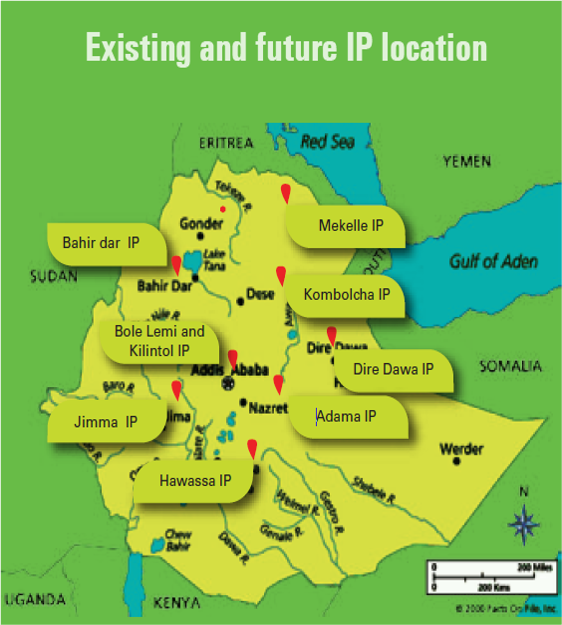
Industrial park network

Industrial park network

Industrial parks support manufacturing, exports, and regional production networks beyond Addis Ababa.
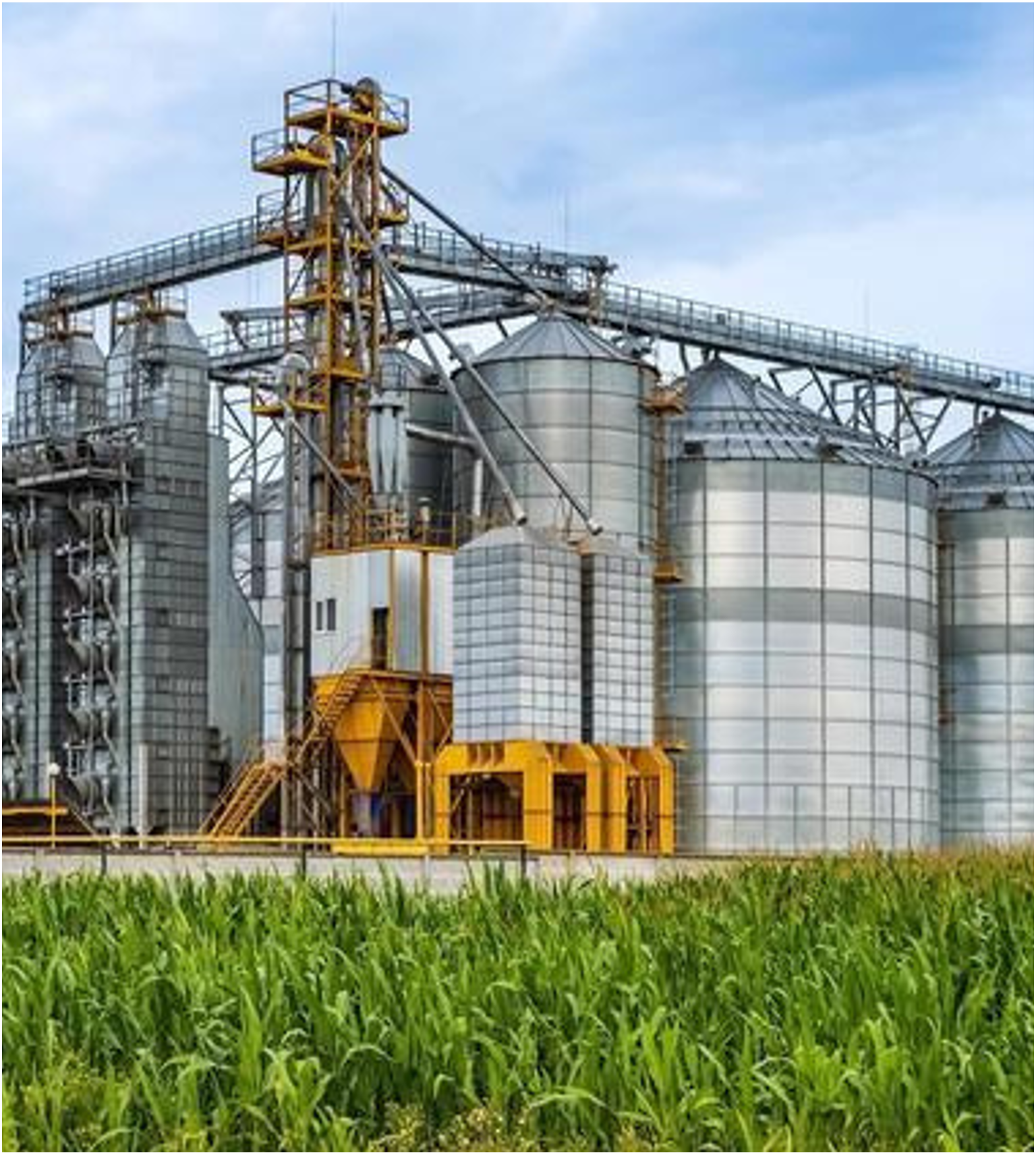
Agro-processing pipeline

Agro-processing pipeline

Agro-processing remains an important link between agriculture, manufacturing, and export development.